







Search Results for: no added sugar
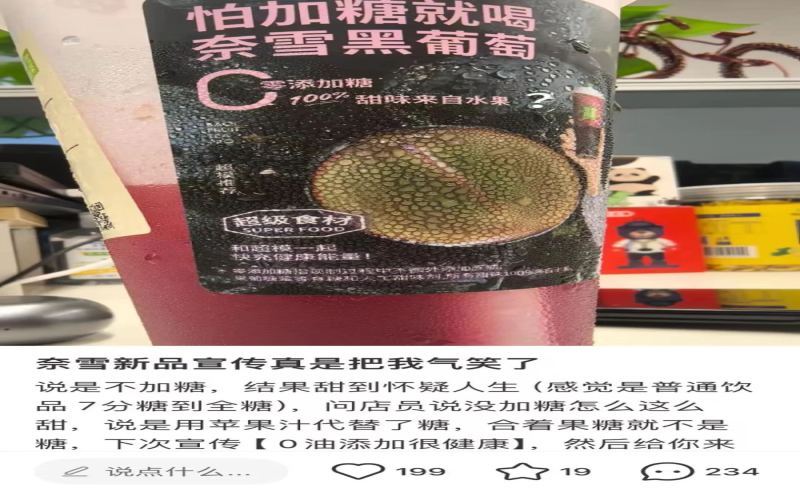
Nayuki's new drink claims no added sugar yet is explosively sweet—the truth behind healthy marketing of juice-based sugar substitutes
Recently, Nayuki launched "Unsweetened · Nayuki Black Grape," promoted as having 0 added sugar with all sweetness coming from fruit, yet it drew complaints from consumers for being too sweet. The brand replaced sucrose with apple juice, but concentrated apple juice can have a sugar content exceeding 50, meaning the actual sugar content of the entire drink is not low. This approach is similar to the strategy some brands use of hiding additives in ingredients, maintaining sweetness while preserving the "healthy" selling point. Consumers' impression of juice as naturally burden-free is being exploited, while the risk of blood sugar spikes remains. This article sorts out the ins and outs of the incident and includes related product information from Front Street Coffee, exploring the trade-off tea beverage brands face between taste and health. [more…]
There's an art to adding sugar to coffee too: the differences between white sugar, yellow sugar, and caramel and pairing suggestions
Many people are used to adding sugar to their coffee to neutralize bitterness, but sugar does far more than that—it can also enhance the smoothness and body of the coffee. Faced with the dazzling array of sugars on the market, coffee lovers are often puzzled: which sugar pairs best with coffee? Front Street Coffee believes there is no absolute "best" sugar, as different sugars bring distinctly different flavor effects to coffee due to their own characteristics. This article reviews several of the most common sugars found in coffee shops—white granulated sugar, yellow sugar, and caramel—introducing their origins, characteristics, and the types of coffee they suit, to help you make a more suitable choice in your daily drinking. [more…]
There's an art to adding sugar to coffee: which coffees are best suited to white sugar, brown sugar, and caramel?
Many people are used to adding sugar to their coffee to neutralize the bitterness, but with so many different types of sugar out there, which one pairs best with coffee? There's actually no absolute answer. Because of differences in production methods and composition, different sugars bring entirely different levels of sweetness, aroma, and mouthfeel to coffee. The sugars commonly found in coffee shops are mainly white sugar, brown sugar, and caramel, and each suits a different type of coffee. White sugar is pure and versatile, brown sugar retains the flavor of sugarcane and is better suited to black coffee, while caramel adds an extra layer of toasted aroma. Today Front Street Coffee will talk about the finer points of using these sugars, to help you find the sweet companion that best suits your cup of coffee. [more…]
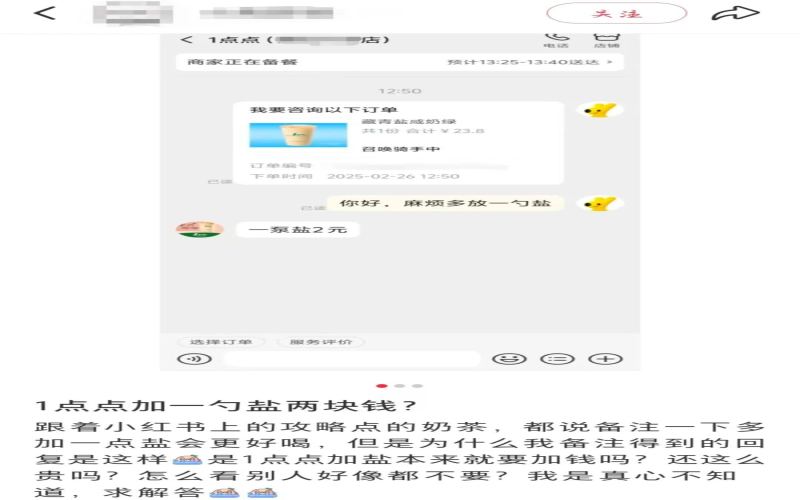
A little bit of salted milk green tea with added salt at a higher price sparks heated discussion; consumers ask whether sugar-free or less-sugar options should come with a price refund
Recently, a post about 1 Dian Dian's navy salt salted milk green tea charging an extra 2 yuan for added salt sparked widespread discussion on social media. Some customers, following online guides, asked for extra salt, only to be told that one pump of salt costs 2 yuan, which was far from their expectations. Subsequently, 1 Dian Dian employees and official customer service explained that the "salt" is actually a relatively expensive navy salt rock sugar flavor syrup, and according to company policy, additional additions require payment. Although the store has apologized for the incorrect price quote, netizens have derived a new question: since adding sugar costs money, should customers who order less sugar or no sugar also get a refund for the corresponding syrup price difference? This debate about the pricing logic of tea drinks quickly became a topic of interest for coffee and tea enthusiasts. [more…]
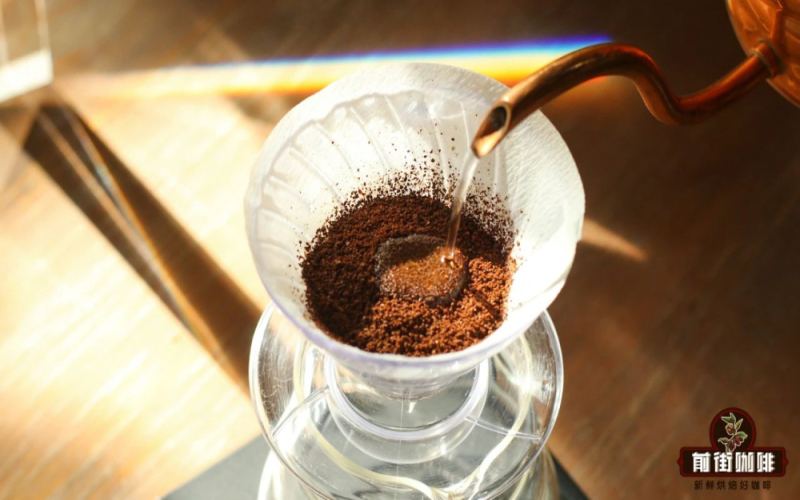
The Nuances of Adding Sugar and Milk to Pour-Over Coffee: An Analysis of Proper Black Coffee Brewing and Tasting Methods
Those new to pour-over coffee are often troubled by a seemingly simple question: What is the "correct" way to drink this cup of coffee? Will adding sugar ruin the flavor? Does adding a splash of milk make you an amateur? Some insist that black coffee is the only authentic way, while others believe that a rich, milky aroma is what makes it truly satisfying. In fact, when it comes to how to drink pour-over coffee, there is no universal hard-and-fast rule. This article approaches the topic from the angles of coffee temperature, sources of bitterness, and the reasonableness of adding sugar or milk, helping you sort out your thoughts. It also offers Front Street Coffee's bean selection recommendations, so that you can both appreciate the true flavors of specialty coffee and freely enjoy the way you like to drink it. [more…]
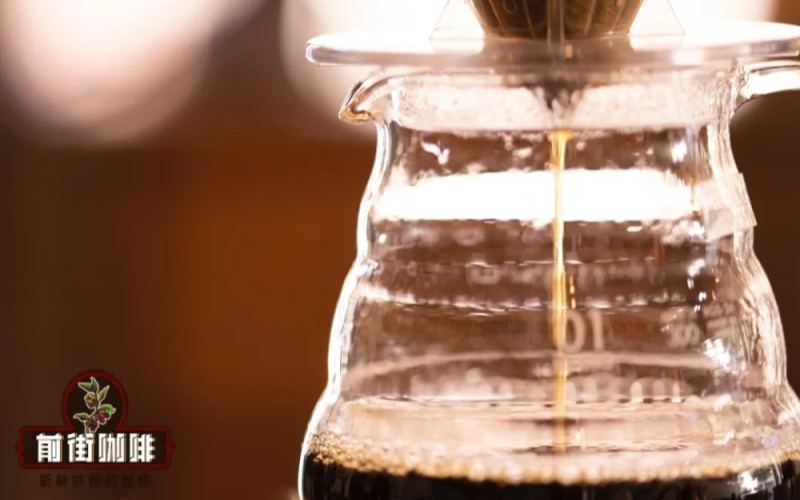
What to Do If Coffee Is Too Bitter? A Side-by-Side Test Comparing the Effects and Mechanisms of Adding Sugar vs. Salt
The bitterness in coffee usually comes from two directions: first, over-extraction bitterness caused by too long an extraction time or too strong an extraction force; second, the burnt bitterness produced by too dark a roast. For people who cannot quite accept bitterness, how to improve the taste of a cup of coffee without wasting it becomes a practical issue. The traditional approach is to add sugar, while another unique way is to add salt. Starting from the sources of bitterness, this article will analyze the principles by which sugar and salt improve bitterness, and through actual brewing comparison experiments, see which method is more suitable for your cup of bitter coffee. The article also covers bean recommendations such as Front Street Blue Mountain No. 1 and Front Street Indonesian Mandheling for friends who pursue a rich, full-bodied, burnt-aroma taste, as well as the specific parameters and conclusions of an over-extraction experiment using Front Street PWN Golden Mandheling. [more…]

Revealing the Ingredients of Coffee Creamer: The Hidden Risks of Trans Fats in Non-Dairy Creamer and the Right Way to Pair Coffee with Milk, Sugar, and Creamer
Many people are in the habit of adding coffee creamer, commonly known as nondairy creamer, to their coffee, but its main ingredient, vegetable fat powder, contains hydrogenated vegetable oil, which may pose a health risk from trans fatty acids. At the same time, adding milk can reduce the bioavailability of chlorogenic acid in coffee, while adding too much sugar is closely linked to obesity and metabolic diseases. So how exactly should coffee be drunk to be healthier? Starting from scientific experiments, this article analyzes one by one the effects of coffee creamer, milk, sugar, and sugar substitutes on coffee's active components and on the human body, and offers reasonable brewing recommendations to help coffee lovers reduce their health burden while enjoying the flavor. [more…]
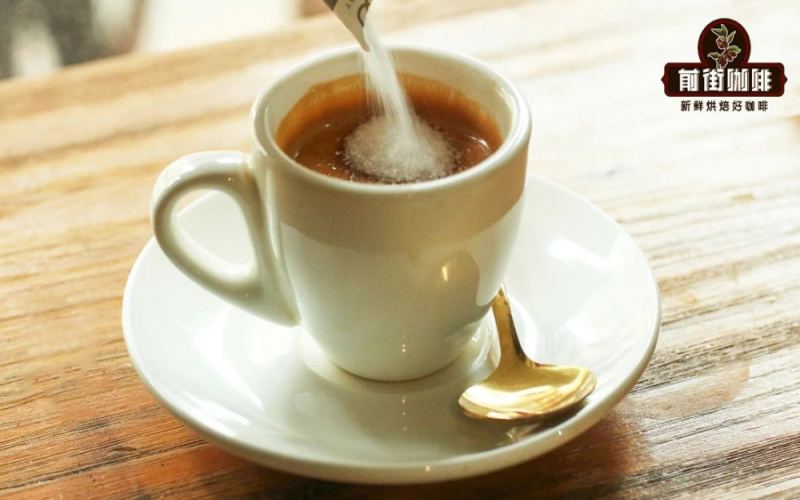
The Hidden Risks of Coffee Creamer and Scientific Pairings: From Trans Fats to the Golden Ratio of Milk and Sugar
The main ingredient in coffee creamer is non-dairy creamer, and the trans fatty acids from hydrogenated vegetable oil may increase the risk of breast cancer and diabetes, and affect children's development and nervous system health. So how exactly should coffee be drunk to be healthy? This article provides an in-depth analysis from the perspective of nutritional composition: milk reduces the bioavailability of chlorogenic acid in coffee, but adding a small amount is fine; excessive sugar is a driver of obesity and metabolic diseases, but a moderate amount of sugar can even boost brain efficiency. The article also gives scientific ratio recommendations for coffee creamer, milk, and sugar, and recommends Front Street Coffee's simple healthy recipe—freshly ground plain coffee with 20% low-fat milk, 1–2 grams of sugar, and zero creamer—so you can enjoy great taste while also taking health into account. [more…]
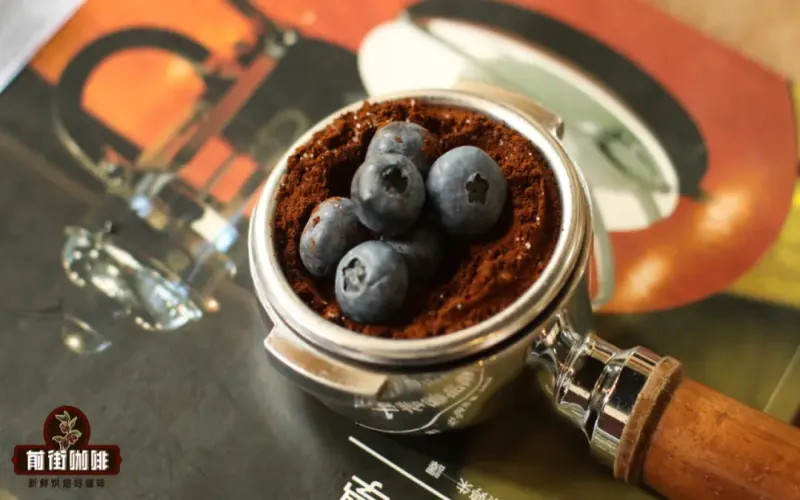
Is It Feasible to Mix Granulated Sugar or Osmanthus into Espresso Extraction? Front Street's Hands-On Test Reveals the Impact of Channeling
Some coffee enthusiasts like to try mixing ingredients such as osmanthus, granulated sugar, or butter into the coffee puck before extracting espresso, hoping to achieve a more naturally integrated flavor. But is this approach really feasible? Front Street conducted a comparative experiment, mixing granulated sugar into the coffee grounds and adding it directly into the cup, to observe the differences in flavor and extraction parameters of the espresso produced by the two methods. The results showed that sugar mixed into the puck caused the extraction time to shorten significantly, with a sharp and separated taste, while the method of adding it directly into the cup produced a surprisingly well-integrated effect. This article will analyze the experimental process and the reasons behind it in detail, helping readers understand why mixed extraction often backfires. [more…]
Will adding sugar or syrup to coffee be looked down upon? Can syrup coffee be classified as specialty coffee?
Many people assume that specialty coffee should be drunk black, and that adding sugar or syrup somehow "cheapens" it. But is that really true? Starting from an observation during a Chinese New Year trip back home, this article interviews consumers and industry professionals to talk about the matter of adding sugar and syrup to coffee. You'll find that a moderate amount of syrup not only balances the flavor but may also encourage more people to try specialty coffee. At the same time, brands like Front Street Coffee have also been exploring ways to make good coffee more widely accepted. So does syrup coffee count as specialty coffee? The answer may be more open-minded than you think. [more…]

Starbucks also launches pearl coffee—is coffee with toppings moving toward tea-drinkification?
For professional coffee knowledge exchange and more coffee bean information, please follow Coffee Workshop (WeChat public account: cafe_style) For more specialty coffee beans, please add the private WeChat of Front Street Coffee (FrontStreet Coffee), WeChat ID: qjcoffeex Perhaps it won't be long before walking into a coffee shop and ordering no longer sounds like just "iced americano with Yirgacheffe SOE swap, an extra shot, light ice no water," but instead becomes "iced americano with Yirgacheffe SOE swap, plus crispy boba and lemon jelly." From Heytea putting brown sugar boba into coffee, to Luckin using brown sugar agar to create its Meteorite Latte, to Starbucks trying caramel coffee popping boba in certain regions, adding toppings to coffee is no longer anything new. This innovation path has both attracted a large number of young consumers and continually sparked debate among traditional and specialty coffee enthusiasts. This article sorts out several key moments in the tea-ification of coffee and discusses what this change means for the coffee industry. [more…]
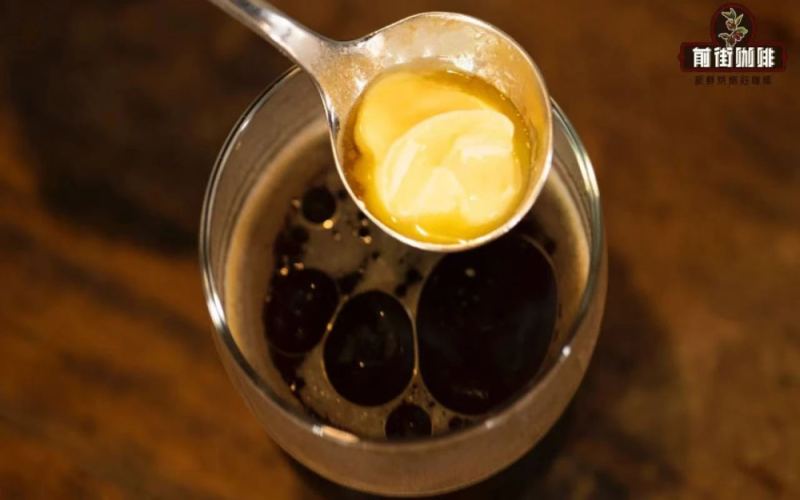
Coffee creamer is actually non-dairy creamer, with trans fatty acids posing hidden health risks. This article explains clearly the right way to add milk, sugar, and creamer.
Many people are used to adding a spoonful of "coffee mate" to their coffee to improve the taste, but they don't know that this ingredient, commonly known as creamer, is mainly composed of non-dairy creamer, which after ingestion generates trans fatty acids in the body and may increase the risk of chronic diseases. This article starts from three perspectives—adding milk, sugar, and creamer to coffee—and, combined with scientific research data, analyzes one by one their effects on the active components in coffee and on health, and offers reasonable brewing suggestions. Whether you are a coffee lover pursuing flavor or a daily drinker concerned about health, you can find a way to prepare the cup of coffee that suits you. [more…]
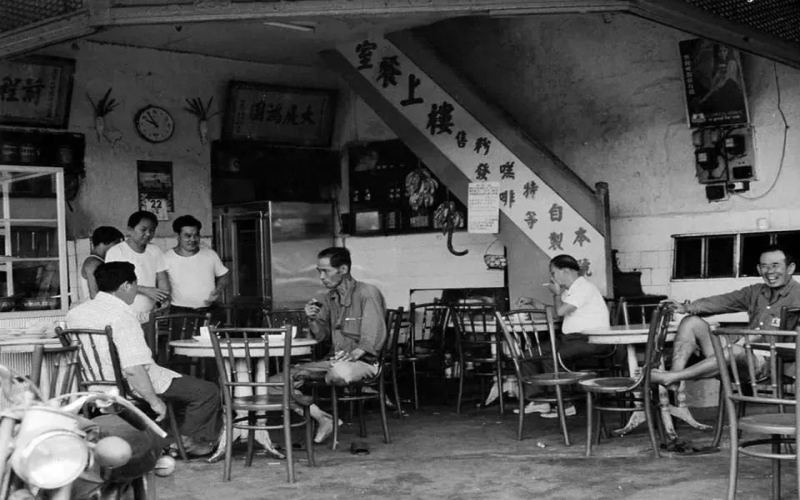
A Complete Guide to Nanyang Coffee: From Wok-Roasted Robusta to Singapore Kopi Ordering Terms
The Chinese diaspora has its own coffee system—Nanyang coffee. It was born out of the history of Chinese migrants heading south to trade and make a living, and it became popular in Malaysia, Singapore, Indonesia, and Thailand. Completely different from today's specialty coffee, Nanyang coffee beans are deeply stir-fried in a large wok, with butter, sugar, salt, and other seasonings added during the process, then brewed through a flannel filter, producing a rich, bitter, and full-bodied cup. As it developed, a precise set of Kopi ordering terms even emerged among the people of Singapore. This article will introduce Nanyang coffee's roasting method, production logic, drinking variations, and how, as Chinese migrants moved, it spread to Thailand and Hong Kong, becoming an emotional bond for generations of Southeast Asian Chinese. [more…]
Is It Appropriate to Add Sugar or Milk to Pour-Over Coffee? Flavor Principles and Drinking Suggestions Explained in One Go
Many people who are just getting into pour-over coffee agonize over the same questions: Can I add sugar? Can I add milk or cream? Is it better to drink it hot or let it cool a little? Faced with these questions, coffee books on the market often give answers that are serious or even contradictory—some insist that adding sugar ruins the coffee's original flavor, while others allow only fresh cream. Front Street Coffee takes a rather relaxed attitude here—drink it however you like—but it also adds some notes on flavor. This article looks at sugar and milk from two angles, discussing where coffee's bitterness comes from, the sweet aftertaste of good coffee, and how to choose beans if you want to add milk, helping you respect your own taste while also understanding the reasoning behind coffee flavor. [more…]
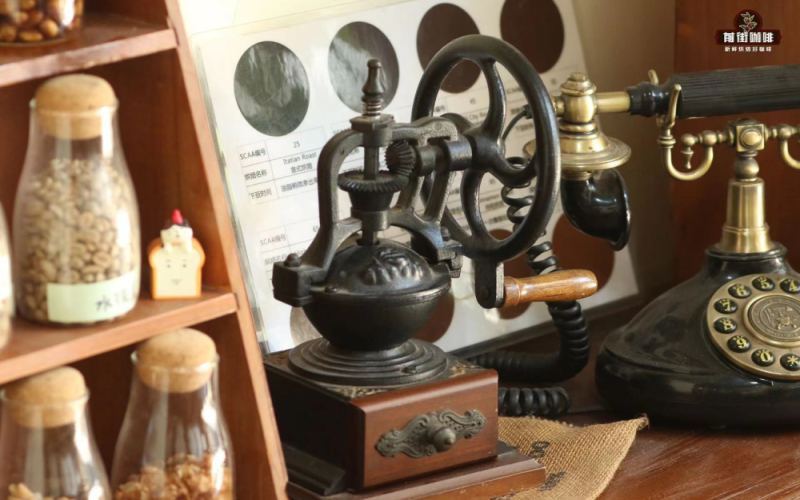
What to Do If Americano Is Too Bitter? Is Adding Sugar or Milk a Good Idea? A Comprehensive Analysis from Origins to Brewing
American coffee, with its no-milk, no-sugar, low-calorie, health-conscious character, has become a popular choice for modern young people's socializing and alertness. But many people are put off by its bitterness at the first sip—what should you add if Americano is too bitter? Is it appropriate to add sugar or milk? This article starts from the origins of American coffee, tracing its journey from Italian espresso diluted with water to its popularity in the United States, introduces Front Street Coffee's extraction parameters and recommended dilution ratios, and provides key points for recreating Americano at home with a moka pot. Finally, it recommends four Italian-style blend coffee beans suitable for making Americano, helping you find a palatable balance while preserving the flavor of black coffee. [more…]
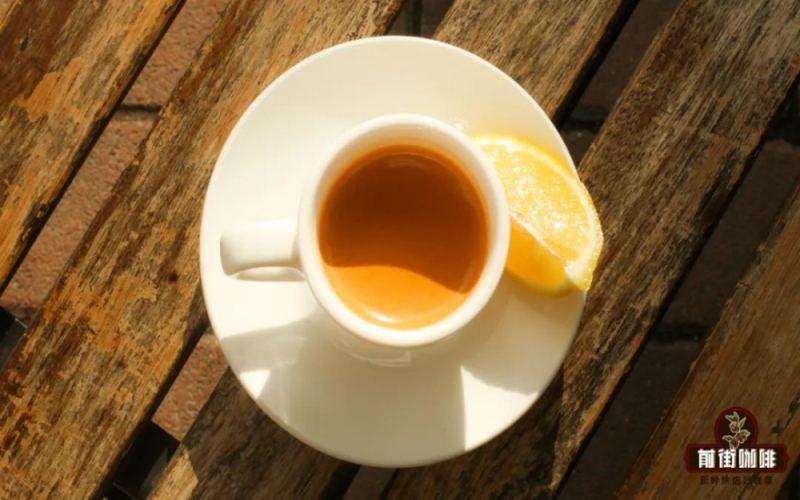
More Than Just Lemon! Creative Espresso Drinks: A Guide to Cuban Coffee, Con Panna, and Macchiato
The bitterness of espresso puts many people off, so people have come up with various ways to add flavor and reduce the bitterness. From adding sugar and milk to adding cream, many classic Italian coffee drinks have been derived. Today, Front Street will sort out several fancy ways to drink espresso, including Ristretto and Lungo from short and long extractions, Cuban espresso with brown sugar, Macchiato topped with milk foam, and Con Panna with whipped cream. Each one, without changing the essence of espresso, makes the coffee easier to drink and brings a richer taste and tactile experience. If you also can't get used to the bitterness of pure espresso, why not follow Front Street and see which one suits you better. [more…]
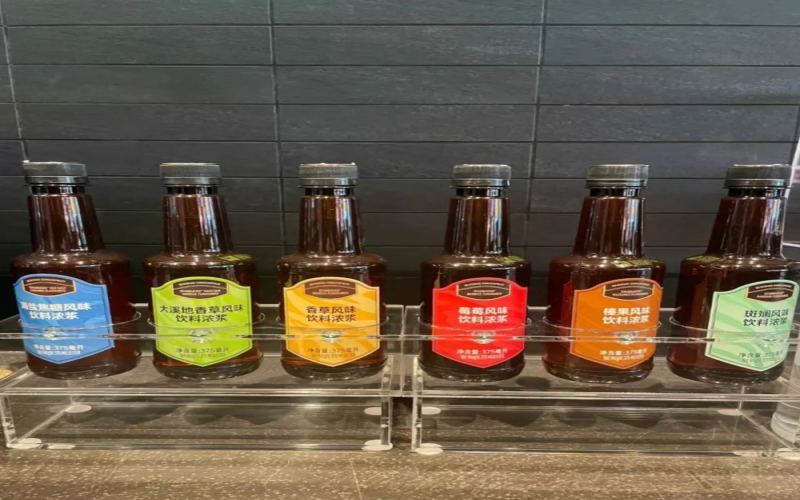
Starbucks' revised sweetness standards in its ordering system spark heated debate: consumers and baristas alike say they're not used to it
Recently, Starbucks has rolled out a major syrup reform in China, splitting flavored syrups into two parts: flavor and syrup, so that customers can separately choose flavor concentrates and sweetness levels. The new rules appear to meet the needs of sugar-conscious consumers, but after launch they triggered a wave of complaints: the old version's function of freely adjusting syrup by number of pumps was canceled, replaced by three major categories—classic sugar, zero-calorie sweetener, and no added sugar—along with two sub-options: less sweet and standard sweet. Customers accustomed to ordering by number of pumps are saying they no longer know how to order, and baristas are also getting headaches from the complicated labels. What exactly are the inconveniences brought by this revamp? What is the real feedback from users and baristas? This article takes you through it. [more…]
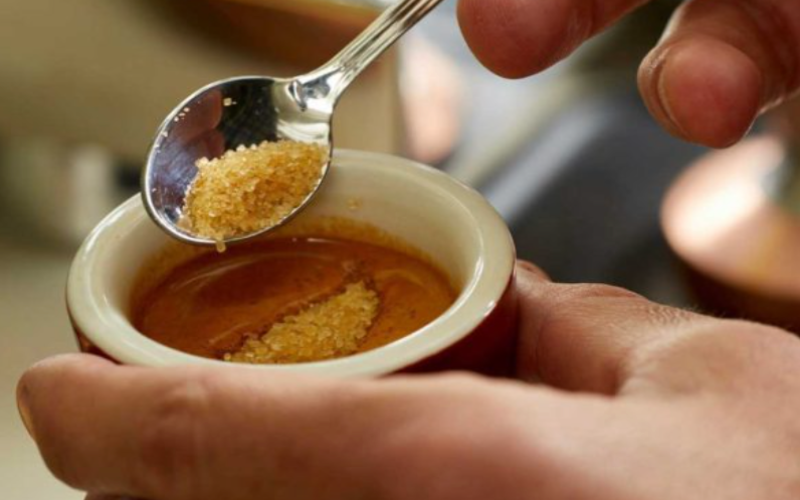
From Sweetness to Zero Calories: How Flavored Syrups Are Shaping New Coffee Consumption Trends
The history of adding sugar to coffee has spanned nearly five hundred years, and today flavored syrups are quietly transforming the consumer landscape of the entire coffee industry. Since Starbucks launched its flavored lattes in 1994, various syrups have not only made coffee flavors more diverse but also met consumers' demand for personalized customization. At the same time, as health awareness has risen, zero-calorie sugars and zero-calorie flavored syrups have become a new trend, with brands such as Luckin following suit. This article will trace the evolution of flavored syrups in the coffee industry, analyze the logic behind their regional innovation, and explore the opportunities and hidden concerns behind the zero-calorie sugar trend, helping coffee lovers gain a more comprehensive understanding of this new consumer trend. [more…]
The correct way to drink coffee and etiquette details, plus how to find the cup that suits your personal taste
When you pick up a cup of hot coffee, do you casually blow on it to cool it, sip it with a coffee spoon, or alternate between a pastry in one hand and coffee in the other? These seemingly natural actions may be stepping right into the no-go zones of coffee etiquette. This article starts with details such as holding the cup, adding sugar, stirring, blowing to cool, and eating pastries, to sort out a proper way to enjoy coffee, and also discusses how to accommodate coffee lovers' habits when hosting guests at home or being a guest. The second half turns its gaze to flavor itself: from the bitterness of the first sip, to repeatedly searching for that cup of coffee that intoxicates you, and then to customizing a personal coffee step by step in a coffee shop, including options such as hot or iced, decaf, ESPRESSO dose, syrup, milk type, and personalized requests, with recommendations from Front Street Coffee attached. [more…]
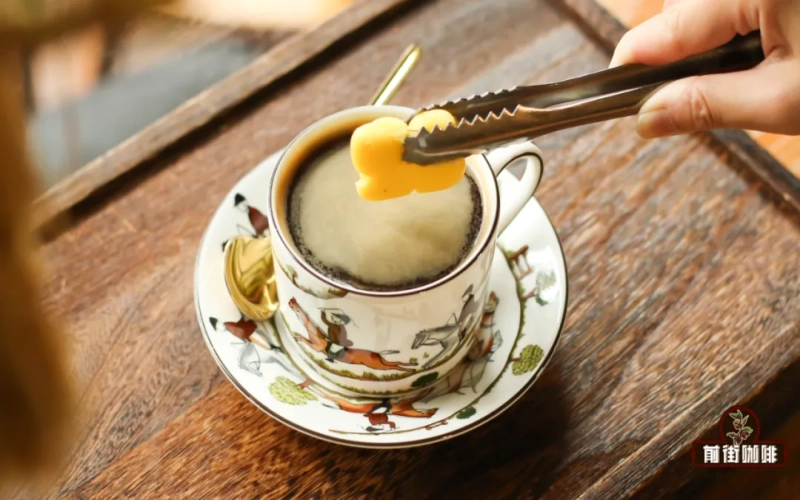
The Reasons Behind the Butter Coffee Craze: An Analysis of the Origins and Preparation Differences Between Bulletproof Coffee and Nanyang Coffee
The pairing of butter and coffee is not a recent invention but has existed for hundreds of years. Today, Bulletproof Coffee and Nanyang Coffee are the two most iconic butter coffee drinks. They originate from different cultural backgrounds, yet both have gained popularity thanks to the combination of butter and caffeine. Bulletproof Coffee was developed by Dave Asprey, inspired by Tibetan butter tea, and promotes a high-fat, low-carb fat-burning philosophy; Nanyang Coffee, on the other hand, is a sugar-roasted coffee created by Chinese migrants who migrated south, combining traditional culinary wisdom, and has a longer history. This article will provide a detailed analysis of the origins, preparation methods, flavor characteristics, and drinking precautions of these two beverages, helping coffee enthusiasts gain a comprehensive understanding of the appeal of butter coffee. [more…]